How to Sequence a 60-Minute Vinyasa Class
March 22, 2026
New teachers often over-plan the middle of a class and under-plan the beginning and end, which are actually the two sections that make a sequence feel intentional rather than just a list of poses. Here's a structural template that holds up across most Vinyasa styles.
Minutes 0–8: Grounding and breath. Start seated in Sukhasana or lying in a gentle constructive rest position. This is where you set an intention or theme for the class, establish the breath pattern (usually Ujjayi) students will use throughout, and do a handful of slow Cat-Cow rounds to begin waking the spine.
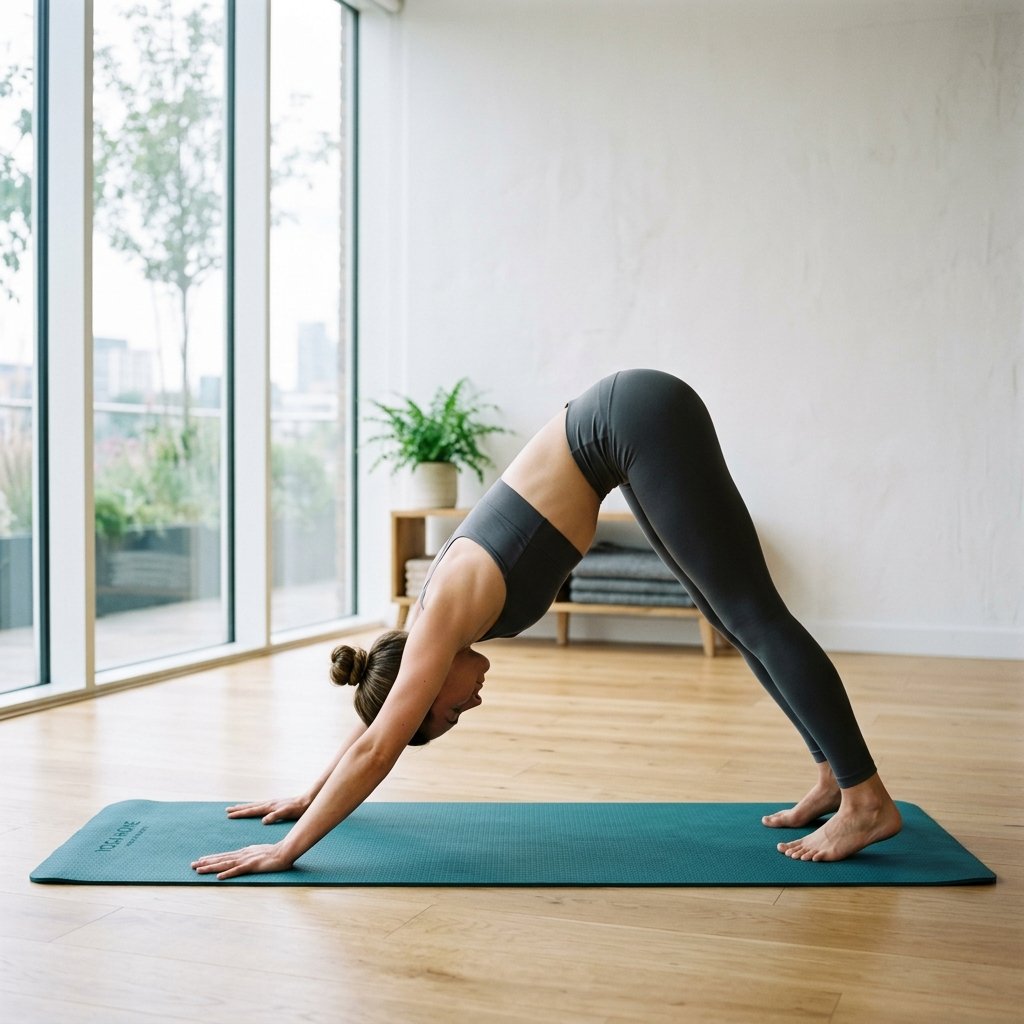
Minutes 8–20: Warm-up. Move through Sun Salutations, starting with a slower A variation and progressing to B if the group is intermediate or advanced. This is where Tadasana, Downward Dog, and Bhujangasana or Urdhva Mukha Svanasana all get repeated exposure, priming the body for the peak of class.
Minutes 20–40: Standing sequence and peak pose. This is the most physically demanding section. Build toward one or two peak postures, a deeper backbend, an arm balance, or a challenging standing balance, using two or three preparatory poses beforehand that rehearse the same muscular actions the peak pose requires.
Minutes 40–50: Cool-down and floor work. Transition to the floor with seated forward folds like Paschimottanasana, hip openers, and gentle twists. Pacing should visibly slow here; this is where students start shifting toward the parasympathetic nervous system.
Minutes 50–60: Savasana and close. Ten full minutes, protected fiercely from being cut short. This is not a buffer for running late; it's the section that makes the rest of the sequence integrate. Close with a minute of seated stillness before dismissing the class.
The specific poses will change depending on your students and your own teaching style, but the arc, ground, warm up, build, cool down, rest, is worth keeping consistent. Students feel the difference even when they can't articulate why.