Child's Pose
बालासन · Balasana (bah-LAH-sah-nah)
restorative · beginner
| Sanskrit Name & Meaning | बालासन (Balasana (bah-LAH-sah-nah)) |
|---|---|
| Category | Restorative |
| Level | Beginner |
| Key Benefits | Gently stretches the hips, thighs, and lower back, Calms the nervous system and quiets the mind, Relieves fatigue and mild stress or anxiety, Offers a resting counterpose after backbends and inversions |
| Best Time to Practice | Whenever you need rest during a practice, especially after backbends or Downward Dog, or in the evening as a wind-down before sleep. |
| Contraindications |
|
| Precautions | Avoid forcing the hips all the way to the heels if the knees or ankles resist; Don't hold the breath; let it stay slow and unforced; Support the forehead with a block or fists if it doesn't comfortably reach the floor |
Origin & History
Balasana is a relatively modern addition to the standard asana vocabulary, and, like Downward Dog, it doesn't appear by this name in the older hatha yoga treatises. It rose to prominence over the 20th century as flowing, sequence-based styles of yoga became more widespread and teachers needed a reliable, low-risk resting shape to insert between more demanding postures, particularly backbends, which tend to compress the lower spine and benefit from an immediate, gentle counter-stretch in the opposite direction. Its resemblance to a naturally protective, self-soothing posture found across cultures, and even in other primates, has made it one of the most intuitively taught poses in modern yoga: teachers rarely need to explain why it feels good, only how to get into it comfortably.
Sanskrit Word Breakdown & Meaning
Balasana combines bala, meaning "child," with asana, "seat" or "pose," giving the straightforward translation "child's pose." The name evokes the instinctive, curled-up resting position young children fall into naturally, knees drawn in, forehead down, body small and protected. Unlike some Sanskrit names that reference mythological figures or require etymological unpacking, this one is meant to be felt rather than analyzed: it's a shape the body already knows how to find, if it's given permission to stop performing and simply rest.
Benefits in Detail
Physically, Balasana offers a gentle, sustained stretch through the hips, thighs, ankles, and the muscles running along either side of the spine, making it a favorite counterpose after backbends like Bhujangasana or Setu Bandhasana, which compress the lower back in the opposite direction. Because the position places almost no demand on strength or balance, it's accessible to nearly everyone regardless of fitness level, which is part of why it functions so well as a rest pose that can be dropped into at any point in a sequence without breaking the flow of a class.
Mentally and emotionally, the pose has an almost immediate calming effect for most people. The forward fold with the head lower than the heart activates a mild parasympathetic response, the body's rest-and-digest state, which slows the heart rate and encourages longer, slower exhales. The curled, self-contained shape also tends to feel psychologically safe or protective, similar to how curling into a ball is an instinctive response to stress in many mammals, which is likely part of why so many students describe an emotional release, sometimes literally in the form of tears, the first few times they hold this pose for an extended period.
Energetically, Balasana is classed as a grounding, apana-supporting posture in the hatha yoga framework, meaning it's thought to support the downward, settling, eliminative quality of energy in the body rather than the more upward, expansive quality cultivated by backbends and inversions. This is one reason it works so well as a closing or transitional pose: it helps the nervous system come back down after more stimulating work.
Step-by-Step Instructions
- Step 1
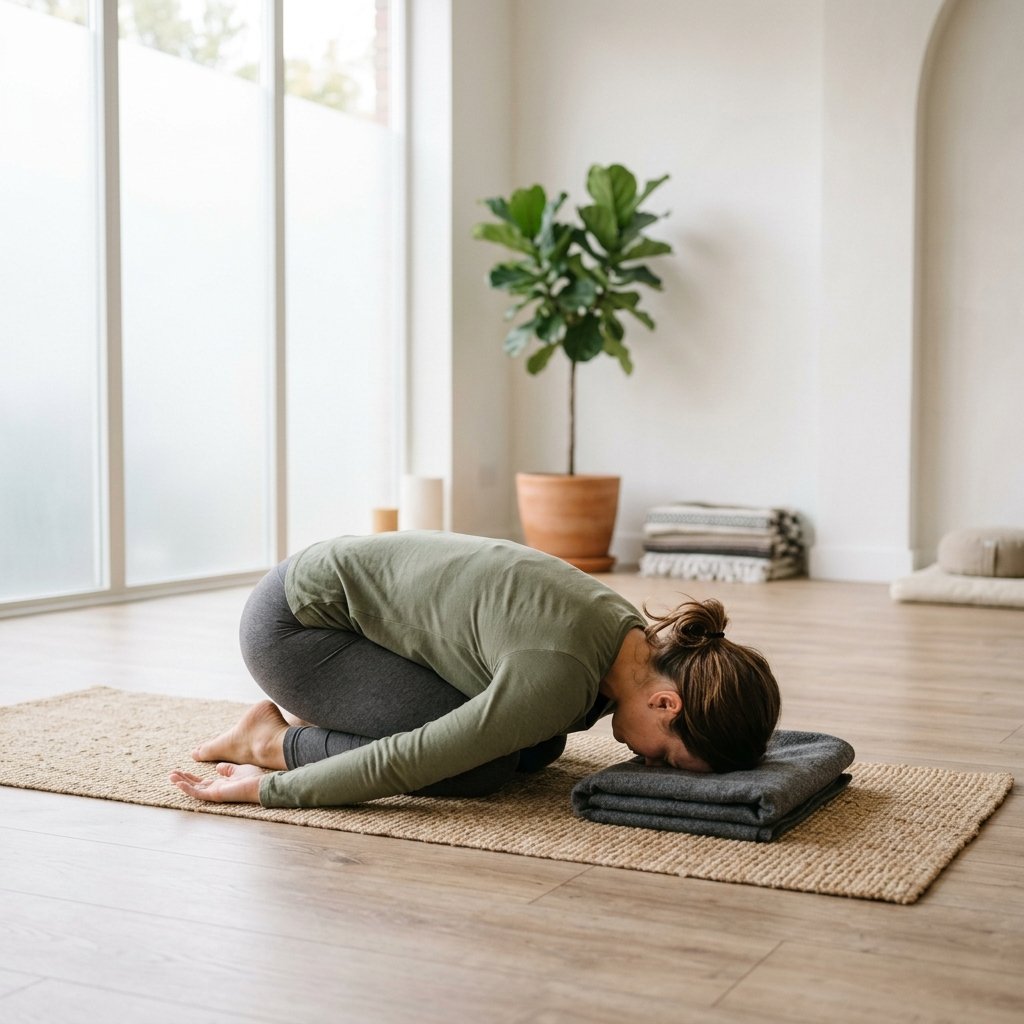
Kneel on the mat with big toes touching and knees hip-width or wider apart.
- Step 2
Sit the hips back toward the heels, going only as far as feels comfortable for the knees and ankles.
- Step 3
Fold the torso forward over the thighs, walking the hands out in front or resting them alongside the body.
- Step 4
Rest the forehead on the mat, or on a block if it doesn't reach comfortably, and let the neck fully relax.
- Step 5
Soften the shoulders, jaw, and belly, allowing each exhale to sink a little more weight into the mat.
- Step 6
Stay for anywhere from five breaths to several minutes, breathing slowly into the back of the ribcage.
Contraindications
Balasana is one of the gentlest postures in the entire repertoire, but the deep knee fold and abdominal compression still mean a few situations call for a modified version rather than the classic shape.
Knee injury, particularly meniscus or ligament damage
The pose folds the knee into a deep, sustained bend under body weight, which can stress an already-compromised joint.
Pregnancy
Folding the torso forward compresses the abdomen against the thighs, which becomes uncomfortable and unnecessary as the belly grows; a wide-knee variation is the standard adjustment.
Diarrhea or an upset digestive system
Traditional teaching cautions against deep forward folds that compress the abdomen when digestion is already unsettled.
Precautions & Common Mistakes
The most common mistake with Balasana is treating it as a passive collapse rather than an actively supported rest. Letting the hips hover well above the heels because the knees or ankles are tight, rather than forcing them down, is not a failure to do the pose correctly, it's the correct response to your particular body on that particular day; the fold should always feel restful, not like a fight against tissue that isn't ready to release. A second frequent issue is holding tension in the shoulders or jaw even while the rest of the body folds forward; consciously softening these areas, and letting the arms rest heavy rather than reaching, changes the pose from a stretch into genuine rest. Third, breathing shallowly or holding the breath defeats much of the pose's calming purpose; the goal is long, slow, largely unforced breath, ideally directed into the back of the ribcage, which naturally expands against the compression of the fold.
Modifications, Props & Related Asanas
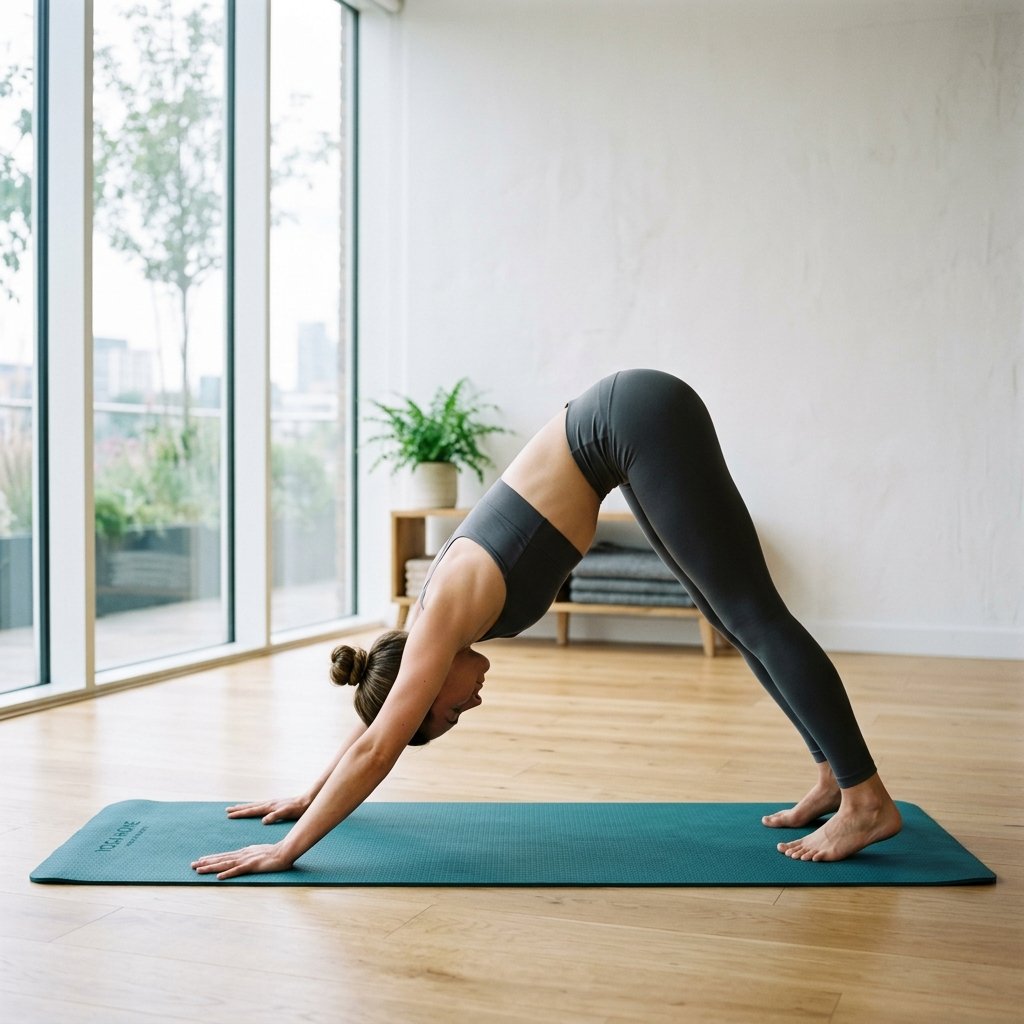
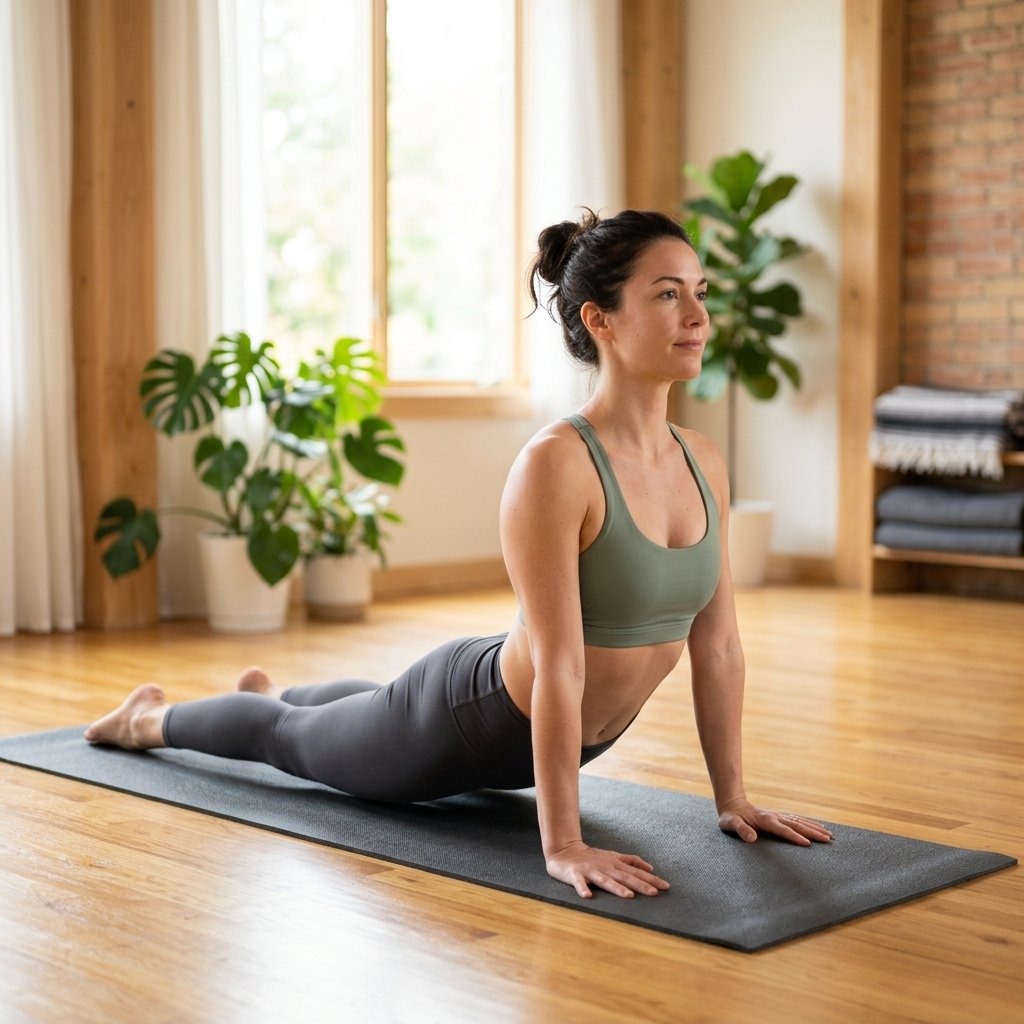
If the forehead doesn't comfortably reach the floor, resting it on a block, a folded blanket, or stacked fists removes the strain of reaching and lets the neck relax fully. Widening the knees out to the sides of the mat, rather than keeping them together, makes room for the belly and is the standard adjustment for pregnancy or for anyone with a fuller midsection; it also opens the hips slightly more. Those with tight ankles or knee sensitivity can place a rolled blanket behind the knees or under the ankles for cushioning. Balasana pairs naturally with Adho Mukha Svanasana (Downward Dog), which it commonly follows as a rest, and with Bhujangasana (Cobra Pose), where it serves as the classic counter-stretch after backbending the spine in the opposite direction.