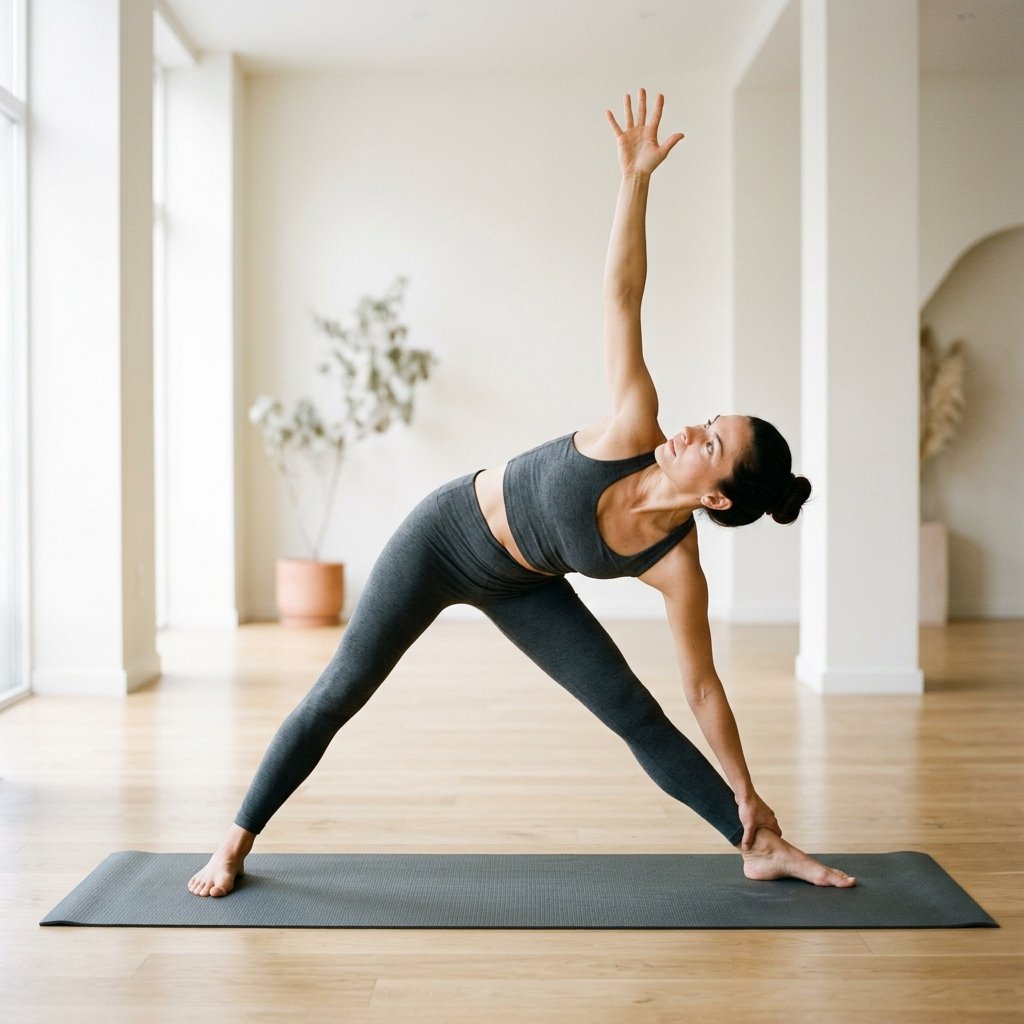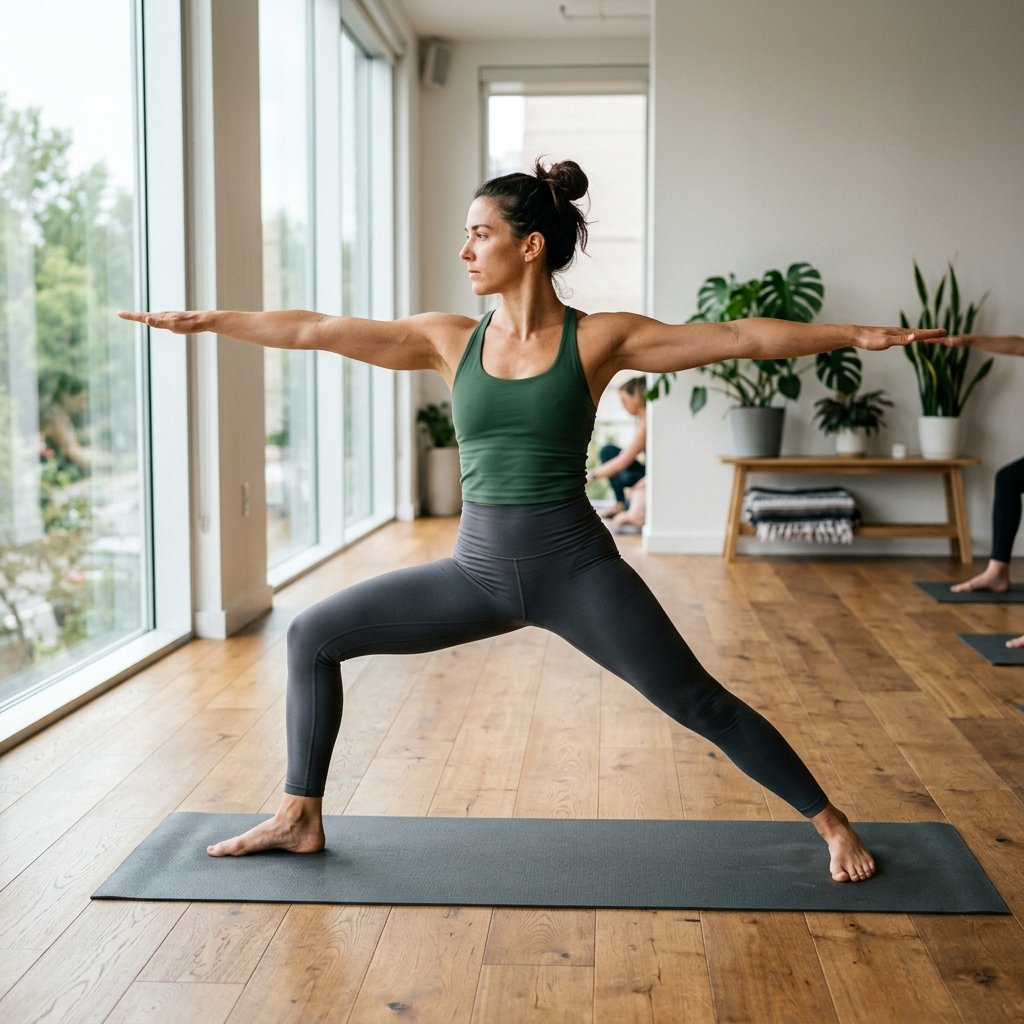
Warrior II
वीरभद्रासन २ · Virabhadrasana II (veer-ah-bah-DRAHS-ah-nah)
standing · beginner
| Sanskrit Name & Meaning | वीरभद्रासन २ (Virabhadrasana II (veer-ah-bah-DRAHS-ah-nah)) |
|---|---|
| Category | Standing |
| Level | Beginner |
| Key Benefits | Strengthens and stretches legs and ankles, Stretches chest and shoulders, Increases stamina and concentration |
| Best Time to Practice | Mid-sequence standing flow for grounding and energy. |
| Contraindications |
|
| Precautions | Do not force alignment at the expense of breathing freely; Keep joint structures stable and avoid hyperextension; Engage the core to protect the lower spine |
Origin & History
Historically, Warrior II has been documented in traditional yoga texts and modern postural practices. Its application has evolved over the decades, becoming a staple pose in hatha, vinyasa, and restorative classes globally. The pose is respected for its ability to align the body, stretch key muscles, and ground the nervous system.
Sanskrit Word Breakdown & Meaning
The name breaks down into Sanskrit roots: Warrior II is represented by वीरभद्रासन, which translates to its traditional form, combined with asana meaning "seat" or "pose." Together it forms Virabhadrasana II (veer-ah-bah-DRAHS-ah-nah). It is a foundational posture in modern and classical yoga systems, emphasizing structural alignment and breathing.
Benefits in Detail
Physically, practicing Warrior II provides multiple benefits:
- Muscular Engagement: It actively engages the lower body, thighs, and ankles.
- Flexibility: It targets tightness in the strengthens and stretches legs and ankles and helps release blockages.
- Mindfulness: By holding this posture for 5-10 deep breaths, practitioners develop a calm focus, balancing physical effort with mental stillness.
Step-by-Step Instructions
- Step 1
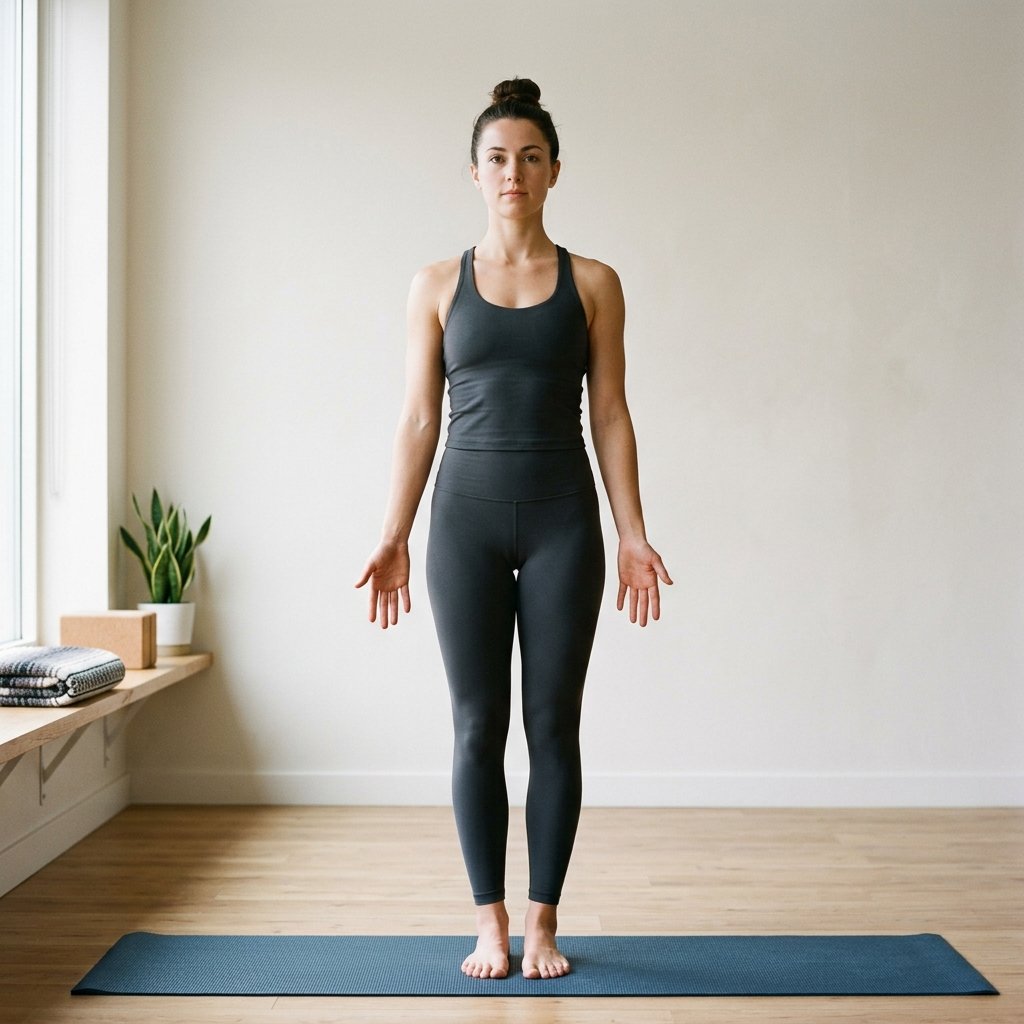
Start in Tadasana. Step your left foot back about 3 to 4 feet.
- Step 2
Turn your left foot out 90 degrees and align your right heel with your left arch.
- Step 3
Bend your right knee over the right ankle, making the thigh parallel to the floor.
- Step 4
Stretch your arms out to the sides, parallel to the floor, and gaze over your right fingertips.
Contraindications
While Warrior II is generally safe and accessible, individuals with the following health conditions should practice with caution or seek suitable modifications.
Recent surgery or acute injury in the joints involved
Loading joint structures under alignment stress can aggravate inflammation or disrupt healing tissues.
Severe high or low blood pressure
Poses that tilt or invert the head alter blood pressure equilibrium, which can induce dizziness.
Precautions & Common Mistakes
Avoid forcing your body into this posture. Keep your breath slow and steady. If you feel any sharp pain in your joints, back, or neck, gently back out of the pose and rest. Focus on active alignment rather than depth.
Modifications, Props & Related Asanas
To modify Warrior II:
- Props: Use blocks under your hands or a bolster under your hips/knees for added height and comfort.
- Wall Support: Practice near a wall to assist with balance or take the weight load off joints.
- Gentler Variation: Keep knees slightly bent or limit the range of motion to suit your body's flexibility.